
Sealed Air Digital Transformation
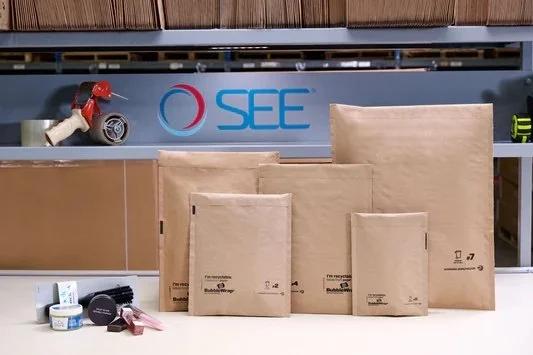
Sealed Air is a B2B packaging company best known for Bubble Wrap and Cryovac. They have grown their product offerings through acquisition in the food and protective packaging verticals. In 2002 they embarked on a digital transformation in reaction to an increasingly competitive market and to improve internal business processes and customer experience to ensure future relevancy and growth.
My Role
I joined Sealed Air as Executive Director of Experience Design, Research, and Content Strategy. The company had made significant investment in tools and technology but gaps in processes, expertise, and execution made it difficult for the Digital organization to gain traction in operationalizing them. I joined Sealed Air to build an in-house design studio to help solve some of these issues. Comprised of UX and UI design, content management, UX research, and CX strategy, we were tasked with creating and maintaining Sealed Air’s digital experiences, driving business value and improving customer engagement.
I brought a special blend of creativity, collaboration and problem solving skills and the ability to think beyond the traditional constructs of B2B digital marketing. I was able to exploit my strategy and design experience from other industries and bring much needed clarity, direction and structure to the Sealed Air Digital organization.
I had 3 primary areas of focus:
Strategic Vision & Leadership
Culture
Craft
Strategic Vision & Leadership
I created a visionary strategy for UX, content, design and research to influence decisions of executive stakeholders
Culture
Championed the value of design and fostered a culture of empathy within Sealed Air by building and maintaining collaborative relationships with executive and stakeholder groups across the company
Craft
I instilled a relentless focus on world-class design and a strong system design perspective to creating experiences ensuring they achieve customer objectives and business results
Exceptional digital experiences differentiate a company in a crowded market.
This requires a foundation and processes that are intuitive, repeatable, and agile allowing us to make informed design decisions that lead to better solutions that meet user expectations and company objectives.
Below are three case studies of key initiatives to
Case Study 1
CX Strategy -Sealedair.xxx
The Situation:
Part of my role included strategic ownership of the Sealed Air corporate websites. Previously there had been shared ownership across the digital, marketing, and IT organizations. Each group had their own input to the channel, but there was a lack of channel strategy and a misunderstanding of the sites’ value to the marketing and demand ecosystems. In addition, there was incomplete and incorrect data to support decisions and a disconnect between global and regional marketing teams on execution.
Solution:
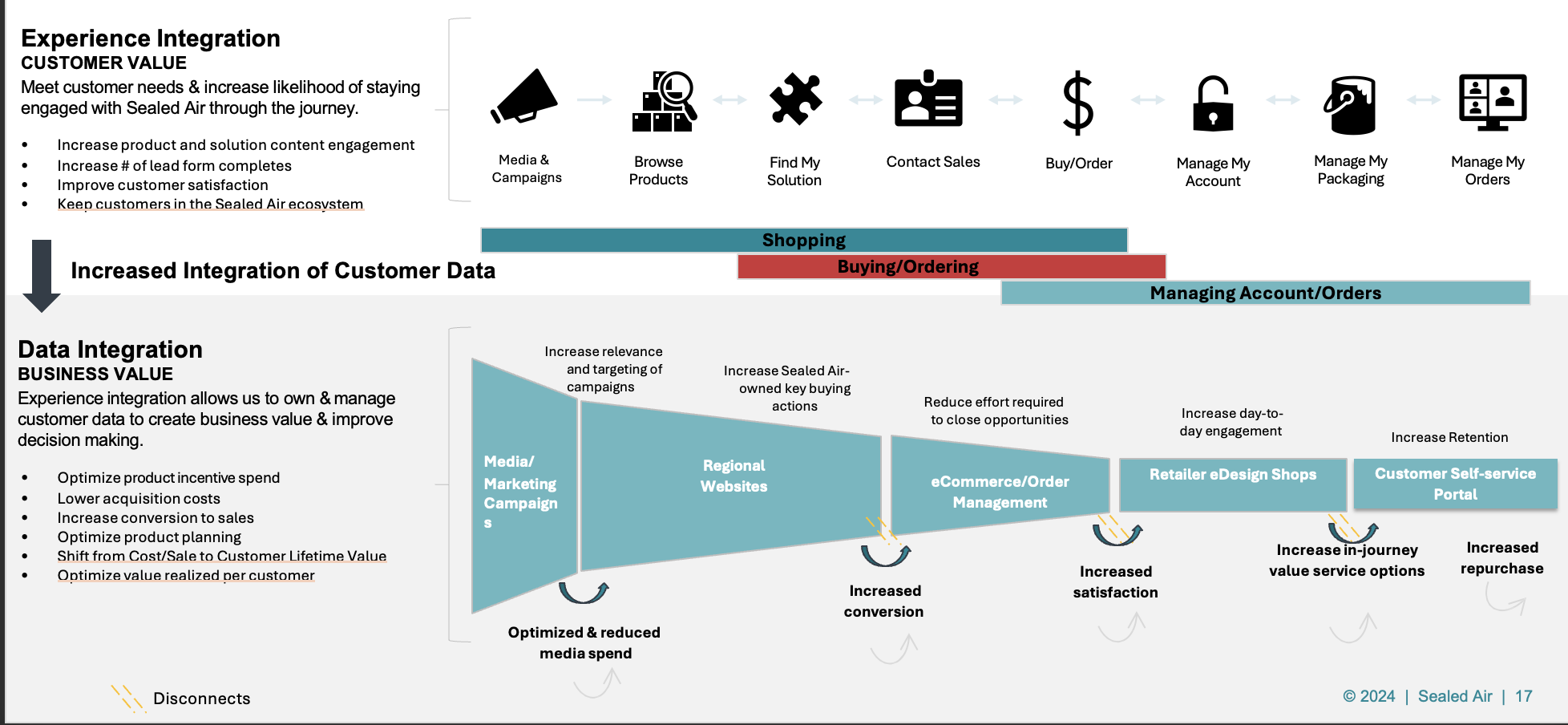
Collective agreement on the value streams for .com as the company’s strategic marketing channel
Partnership with executive stakeholders and alignment to marketing goals to shape the future of digital experiences
A framework for cross-team collaboration and how to get work done
Rapt focus on demand generation and conversion of prospects into qualified leads that contribute to the growth and success of our business
More intentional paths in our digital experiences to incite deeper product and solution consideration and drive customers to the next logical step in their purchase journey
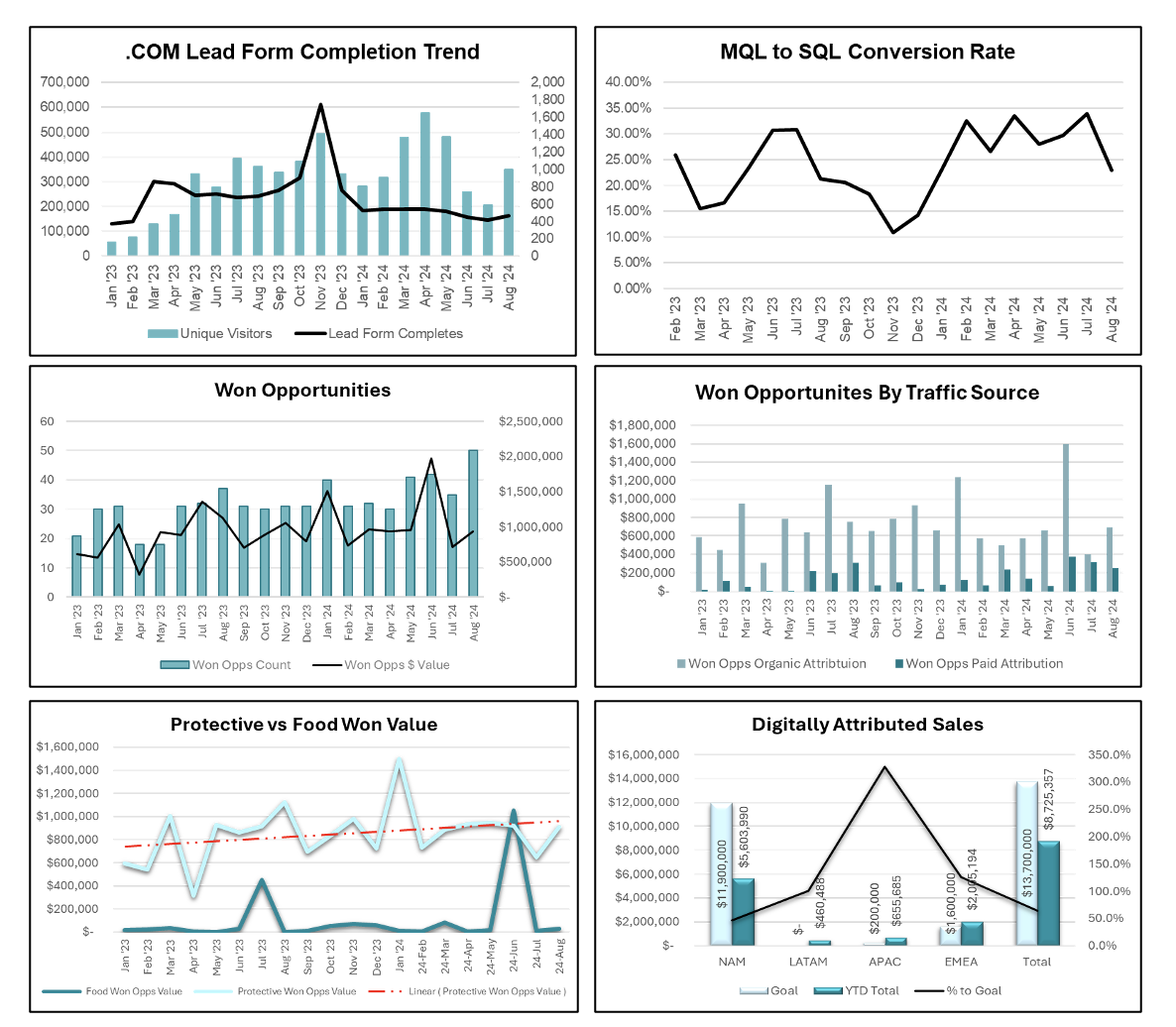
Shifting from click based to perception based metrics to measure the effectiveness of initiatives and use learnings to adjust
Results:
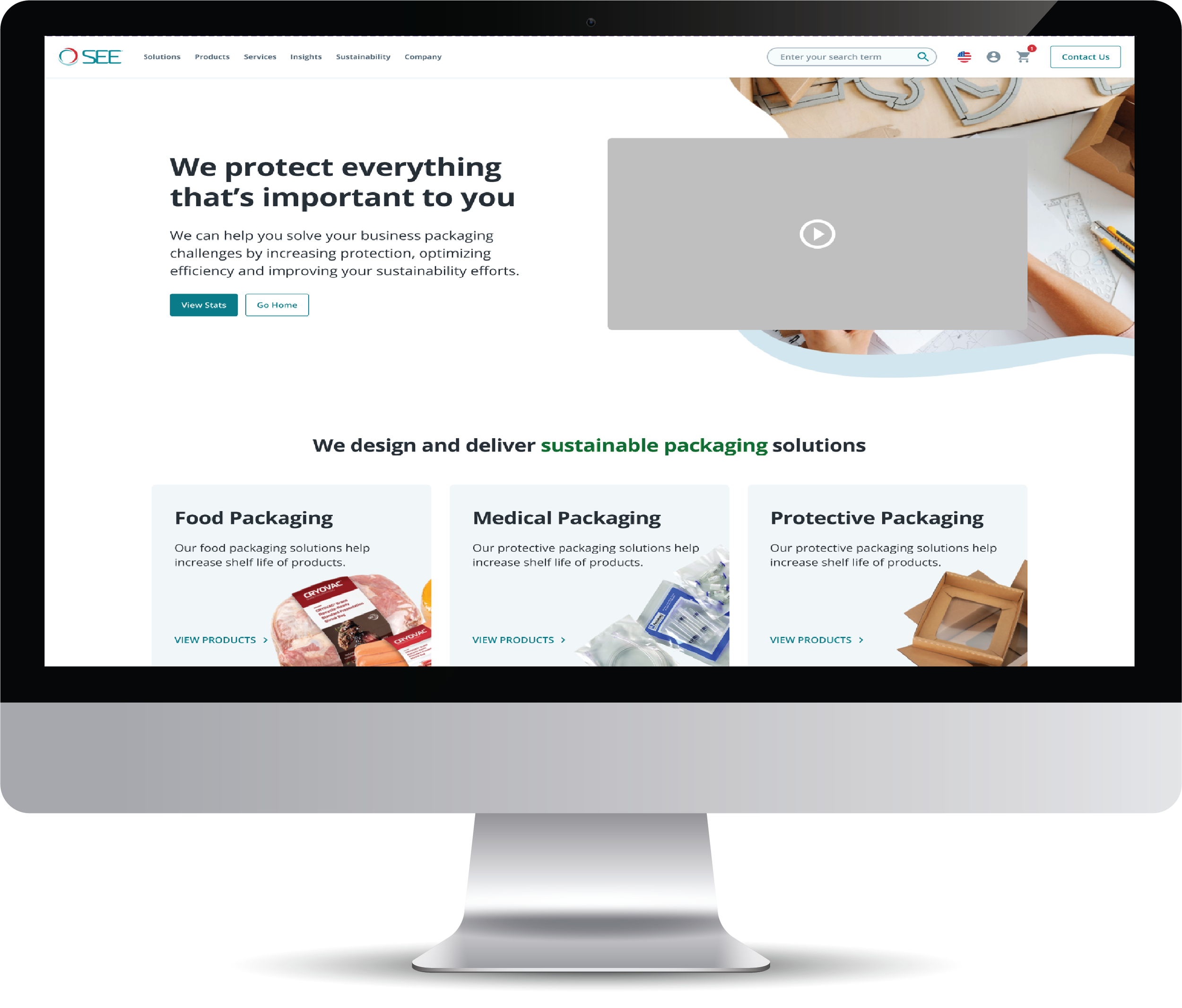
Translation and launch of 8 regional websites in 5 languages supported by a content governance model
Redesign of navigation, home page and product and solution sections of the website into more intentional paths that incite deeper product and solution consideration and drive customers to the next logical step in their purchase journey
AI optimized product and solution content for search engines to improve discoverability, visibility, and organic traffic.
An e-commerce site of select portfolio products to test a direct to consumer approach and stimulate growth in select markets where it was strategically and economically advantageous
Improved lead and contact form design along with the integration of martech and analytics tools into existing digital platforms, streamlining data collection processes, and improving reporting accuracy
A comprehensive set of standard customer experience and engagement metrics that are used consistently as insights to drive design and development decision making
Case Study 2
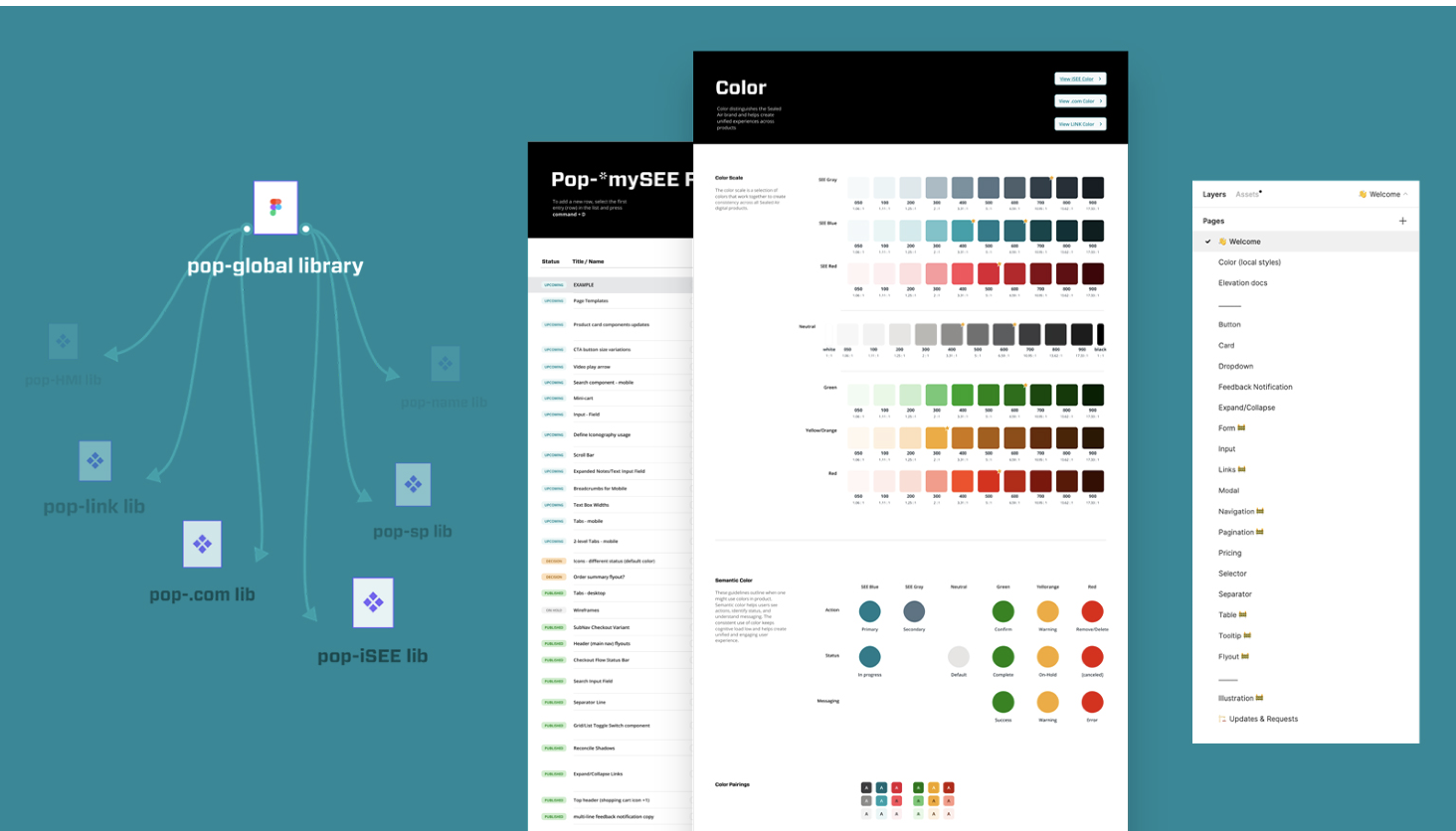
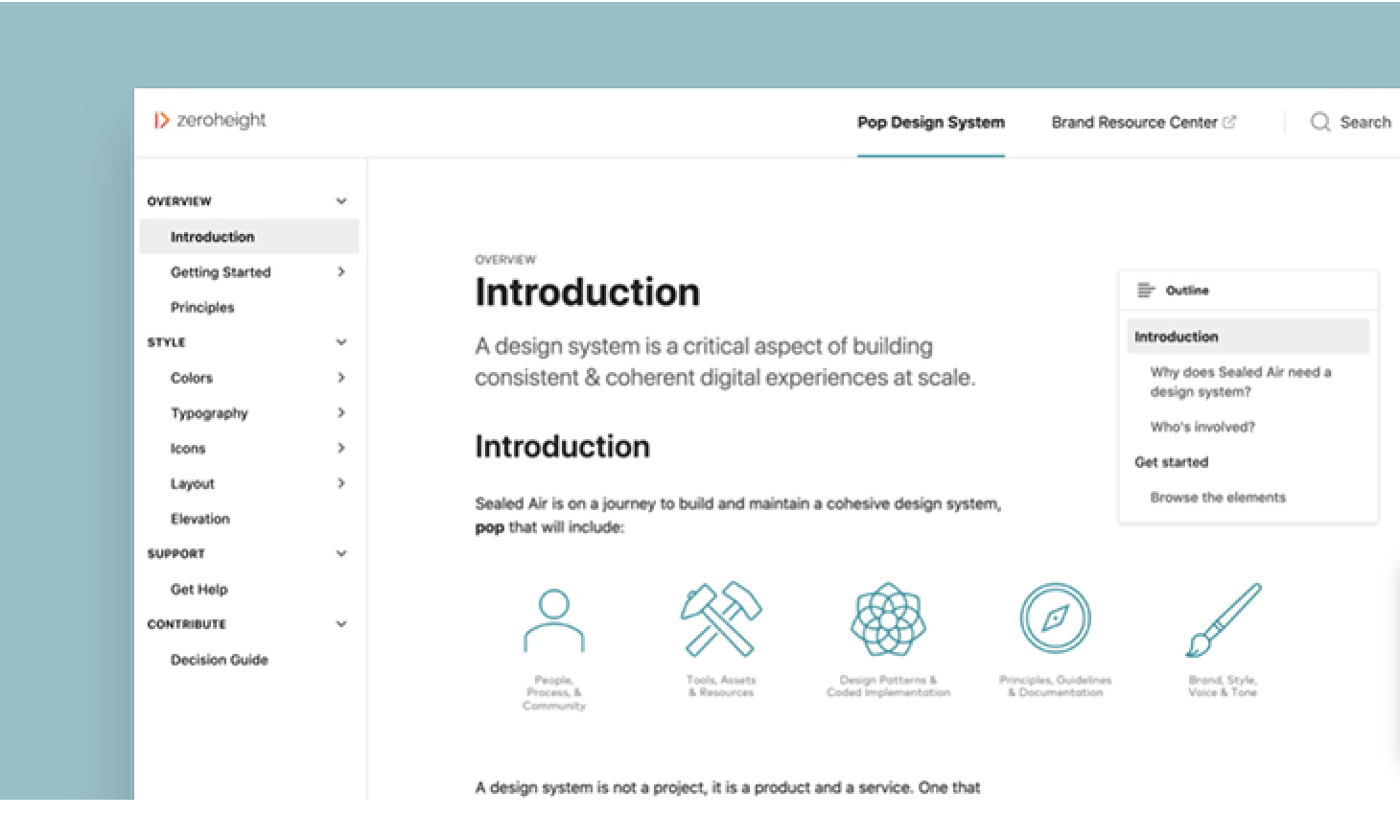
Design System, Culture & Practices
The Situation:
Sealed Air implemented the Adobe suite of products in 2021 across their digital experiences. These experiences included a suite of marketing websites and a customer design and transaction portal. A small team of UI/UX design contractors had been hired but a deficient design and development system caused a lack of agility and ability to achieve desired state and bring designs to market quickly. Coupled with this, there was a disconnect between misunderstanding of the business value of research and design and a disagreement amongst teams on who ‘owned’ the experience. All of these factors made it difficult to produce work that everyone agreed solved the problem or made the customer experience better.
Solution:
A design strategy, goals, and roadmap that was supported and understood by leadership, stakeholders and the team.
A team with proper skillset and understanding of the problems they are to solve
A plan to evangelize and communicate design, content and research in a way that is easy for stakeholders to understand
Ensuring that all design decisions are based on a deep understanding of user needs, behaviors and preferences
Maintaining high standards of quality and consistency across our digital experiences
A customer-centric culture where everyone understands the importance of user experience and contributes to its improvement.
Results:
A high performing team of designers, researchers, content managers, and strategists who had clear expectations and goals, and were empowered to achieve them
A unified design system and a system’s design approach to create elevated design output, improve the user experience and allow the teams to work more efficiently - significantly decreasing rework and enabling teams to focus on higher level problems
Demonstrated impact of design initiatives through measurable outcomes, such as improved user satisfaction, increased conversion rates, and reduced support requests.
A culture of cross-team collaboration and shared experience ownership
Attention to craft and user-centered design and research best practices, ensuring our digital experiences are informed by customer needs and expectations.
Case Study 3
Process, Tools & Governance
The Situation:
The Adobe implementation was intended to provide a platform for experience and development. While it solved some technology problems there were still gaps in process, limited expertise, and little was done to help the teams know how to work together to operationalize the systems. It was crucial to establish processes, tools, and governance that would remove roadblocks and empower the team to work together through repeatable processes.
Solution:
A clear understanding of roles and responsibilities as well as strengths and weaknesses of the team
Deconstruction of the issues that prevented collaboration and design progress into clear and achievable solutions and a roadmap to address them
Cross-team buy-in and alignment of teams, methodology and accountability
Defined success metrics
An Enterprise Content framework that includes central repositories of content and image assets tying them to digital channels to improve consistency, reuse, and to reduce duplication of effort across the company
Results:
‘Ways of Working’ workshops that defined clear roles and responsibilities and how individuals and teams worked together successfully. They were an important step in establishing trust and understanding.
An enterprise content strategy formed via a collaboration with brand and marketing partners
Established standard processes and tools to support authoring and governance that streamlined workflows, reducing project completion time and enhancing team productivity across all platforms
The strategic expansion of our content ecosystem to a PIM (product information system) to serve as the system of record of product content
Relaunched customer and user sentiment measurement tools - CSAT, NPS, customer feedback, and UX research
Consistent communication plans and office hours to share and demystify the team’s work